

How Buying Handmade Art Supports WNC Communities Beyond the Purchase
When you buy a piece of original art or handmade furniture from a Western North Carolina maker, the transaction itself is only part of what happens. Here’s what that purchase actually supports, beyond the object you take home.
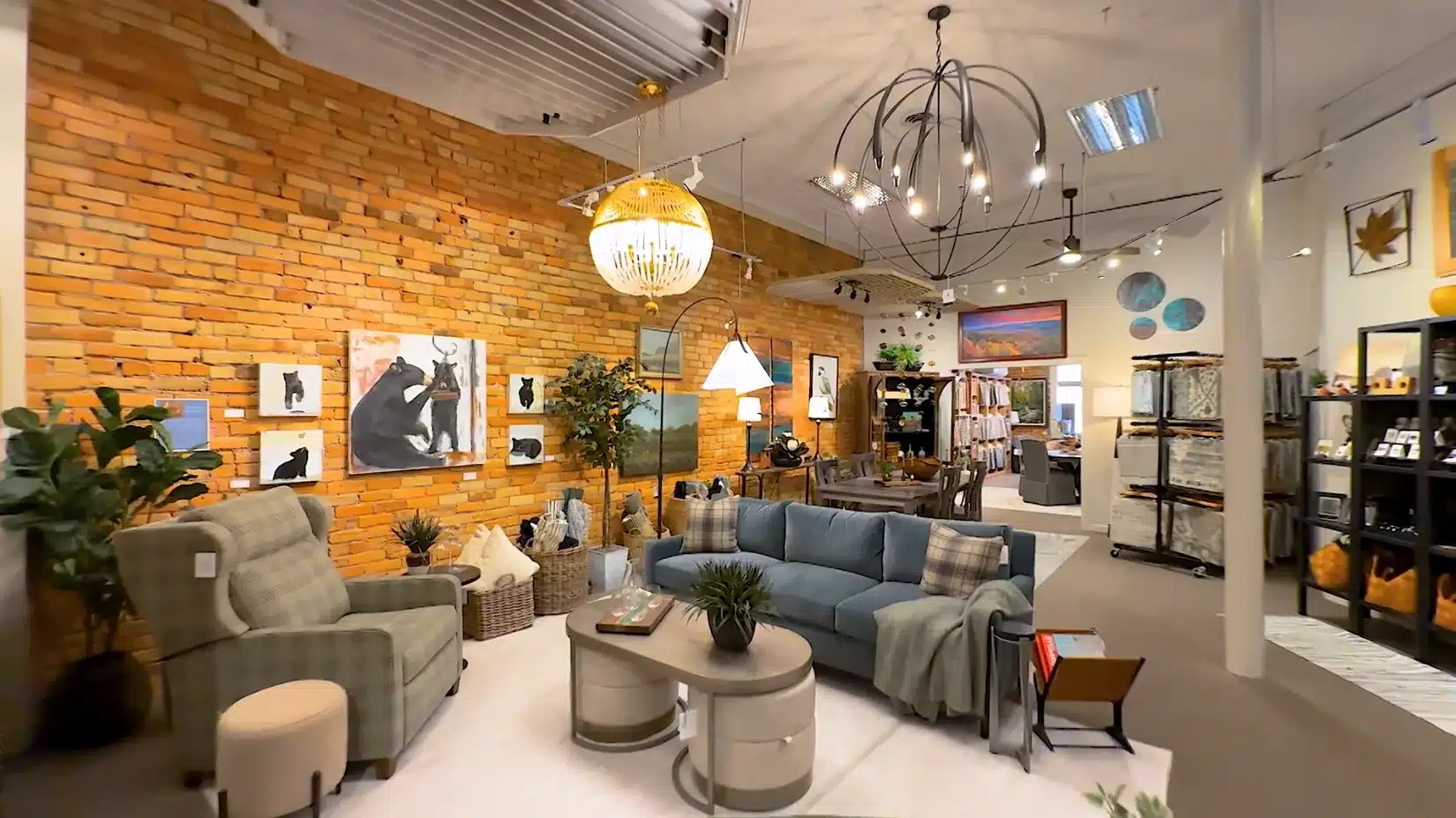
It Keeps the Region’s Craft Tradition Economically Viable
Western North Carolina’s studio-craft tradition — the concentration of working potters, furniture makers, jewelers, and artists across Hendersonville, Asheville, and the surrounding foothills — exists because it’s been economically sustainable for generations of makers. Every purchase of local, handmade work is a direct vote for that tradition continuing, versus makers needing to leave the craft or the region for other work.
It Funds Materials and Studio Costs Directly
Unlike buying from a large retailer, where most of a purchase price goes to manufacturing, shipping, and retail overhead spread across a large supply chain, a much larger share of what you spend on a locally made piece goes directly back into a maker’s materials, studio rent, and time. This is a meaningfully different economic relationship than buying mass-produced goods.
It Supports Apprenticeship and Skill Transfer
Many craft traditions — pottery, woodworking, metalwork, glassblowing — depend on experienced makers being able to take on apprentices or teach workshops, which requires the underlying craft to remain financially viable. A healthy local market for handmade goods is part of what keeps that skill transfer happening rather than dying out with a single generation.
It Keeps Money Circulating Locally
Money spent with a local maker or gallery tends to circulate within the local economy more than money spent with a national retailer, where profits are largely distributed elsewhere. This is a well-documented pattern in local-economy research generally, and it applies directly to the craft and gallery sector.
It Gives You a Direct Relationship With the Maker
A practical, personal benefit: buying handmade means you can often ask the maker directly about materials, technique, and care — something that’s simply not possible with mass-produced goods. At Silver Fox Gallery, this is part of what we try to facilitate between our represented artists, potters, and jewelers and the people buying their work.
Start Exploring Local Work
See our art gallery, handmade pottery, and artisan jewelry pages for current work from Western North Carolina makers, or our companion guide on collecting Western North Carolina art if you’re just getting started.
Frequently Asked Questions
Is handmade art always more expensive than mass-produced decor?
Often somewhat more, though not always dramatically — small original pieces and pottery can be surprisingly accessible. See our collecting on any budget guide for specifics.
How do I know if a piece is actually locally made versus imported and marketed as “handmade”?
Ask directly who made it and where. A reputable gallery should be able to answer specifically.


Leave a Reply