How to Choose Handcrafted Pottery You’ll Actually Use Every Day
Key Takeaways
The best handmade pottery isn’t kept behind glass. It’s the mug, bowl, and plate you reach for without thinking.
A piece made by hand carries small marks of the maker, so no two are exactly alike.
Weight, balance, and how a piece feels in your hand matter as much as how it looks on a shelf.
Silver Fox Gallery on North Main Street in Hendersonville stocks pottery from regional and national makers across a real range of prices, with no minimum purchase.
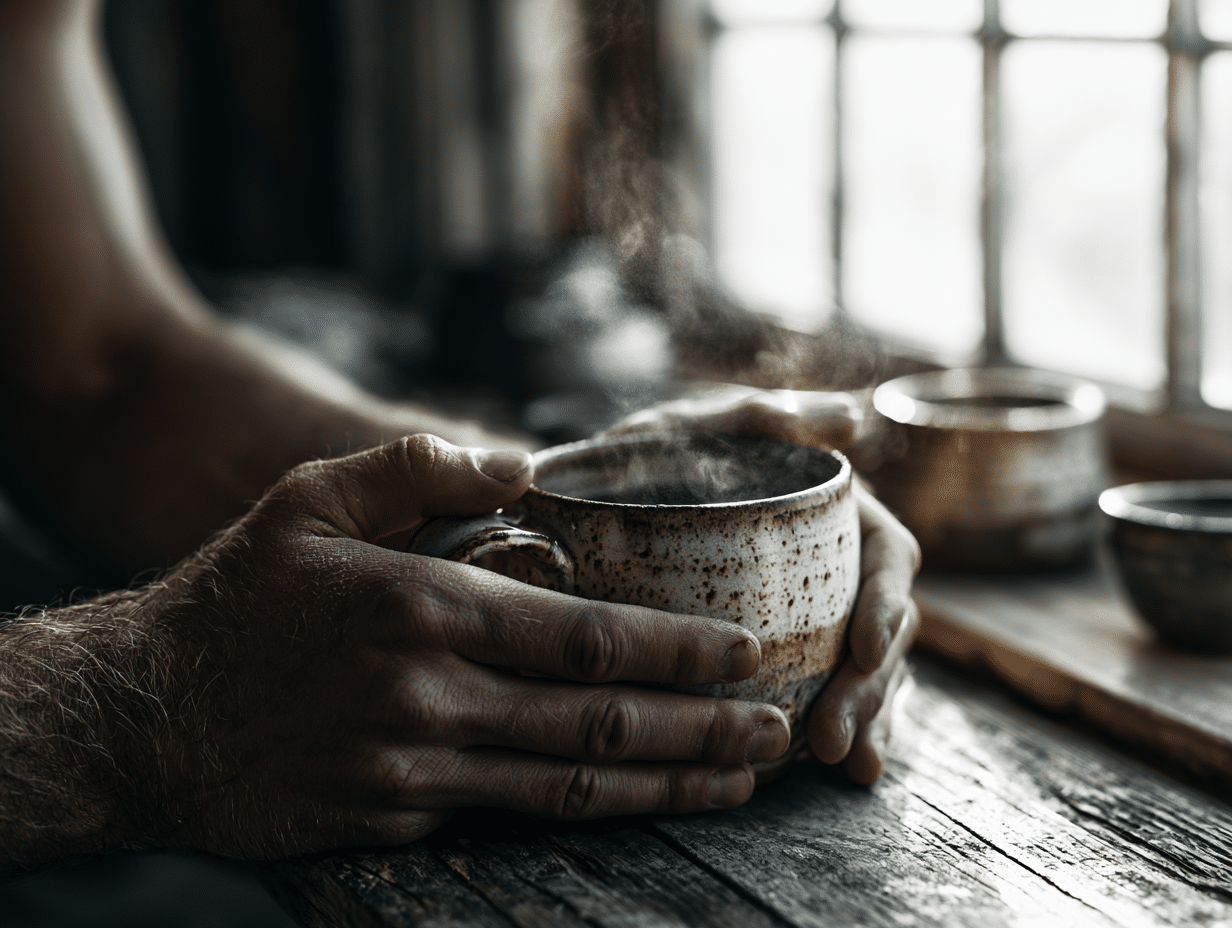
There’s a moment most mornings when you wrap your hands around a coffee mug. If that mug came off a factory line by the thousand, it’s just a container. If a potter an hour from your kitchen shaped it on a wheel, it’s something else. It holds the same coffee, but it feels like it belongs to your life.
That’s the case for handmade pottery in a Western North Carolina home. You don’t have to own a gallery’s worth of it. You need a few pieces that earn their place on the table, the open shelf, and the kitchen counter. Here’s how to pick them.
Start With How You Actually Live
Before you fall for a glaze color, think about your day. Do you drink coffee or tea every morning? Do you serve family dinners or eat standing at the counter half the week? Do you host friends in the fall when the leaves turn and everyone wants to be in Hendersonville?
The pieces worth buying are the ones that match those habits. A potter’s mug is wonderful, but if you drink from a travel cup five days a week, a handmade serving bowl you’ll set out at every gathering gives you more pleasure for the money. Match the piece to the moment you’ll use it, not to a picture of a life you don’t lead.
This is where buying in person helps. In the showroom you can pick up a bowl, feel its weight, and picture it on your own counter. A photo can’t tell you that.
What to Look For in a Well-Made Piece
Handmade doesn’t mean flawless, and that’s the point. Still, there are signs of careful work worth knowing.
Balance and Weight
Hold the piece. A good mug sits comfortably in your hand and isn’t so heavy it tires your wrist. A bowl should feel steady, not tippy. Run a finger along the base. A potter who cares smooths the foot so it won’t scratch your table.
The Glaze
Look at how the glaze sits on the clay. Pooling in the curves, slight color shifts, and a soft sheen are marks of a real firing, not a printed pattern. Ask whether a piece is food-safe and dishwasher-safe if you plan to use it daily. Most functional studio pottery is, but it’s a fair question, and any honest maker or gallery will tell you straight.
Small Marks of the Maker
A thumbprint near the handle. A signature pressed into the base. A line where the potter’s hand pulled the clay. These aren’t defects. They’re proof a person made the thing, which is the whole reason to buy it instead of a mass-produced lookalike.
Pottery That Works Through the WNC Seasons
Pottery suits the way we live in the mountains. In the cold months, a heavy stoneware mug holds heat through a slow morning on the porch. Warm, earthy glazes feel right against the gray of a Blue Ridge winter. Come spring and summer, lighter pieces and brighter glazes carry the same handmade quality into a season of open windows and dinners outside.
You don’t need separate sets for each season. A few honest pieces in colors you love will read differently as the light changes through the year. That’s part of what living with handmade work gives you that a matched store set can’t.
Mixing Handmade With What You Already Own
A common worry is that one handcrafted bowl will look out of place next to everyday dishes. The opposite is usually true. A single piece with character lifts the plain pieces around it. Set a handmade serving bowl in the center of a simple table and the whole table reads more personal.
Start with one category. Maybe it’s mugs, because you use them daily and they’re an easy size to collect over time. Maybe it’s serving pieces, because you host. Build slowly. A collection that grows piece by piece, each one chosen because you liked it, will always feel more like you than a set bought all at once.
If you have a piece you love and want something to pair with it, bring a photo when you visit. It’s an easy way to see what works alongside it.
Why Local and Regional Makers Matter Here
When you buy pottery from a maker in Western North Carolina, you’re keeping a craft alive in a place that has practiced it for generations. The mountains around Hendersonville, Asheville, and the wider region hold one of the strongest pottery traditions in the country. Clay, wood for the kilns, and a community of makers have kept the work going.
Buying a piece from a regional potter means your money stays close to home and supports a person doing patient, skilled work. It also means the piece carries a story. When a guest asks about the bowl on your table, you can say who made it and where, instead of naming a chain store.
Silver Fox Gallery has spent more than twenty years building relationships with these makers. Jennifer, who owns the gallery, chooses pieces one at a time, the way you would for your own home. As she puts it, come feel what handmade really means. The pottery on the shelves isn’t there because a distributor sent a box. It’s there because someone shaped it and someone chose it.
How to Begin a Collection Without Overthinking It
You don’t need a plan or a budget worthy of a museum. Pick one piece you genuinely like and use it. Live with it for a while. The next time you visit, you’ll have a better sense of what draws you, whether it’s a certain glaze, a certain shape, or the work of one particular maker.
There’s no pressure and no minimum at the gallery. Some pieces are a small treat. Others are a special gift or a real centerpiece. The range is wide on purpose, so a first-time buyer and a longtime collector can both walk out with something they love.
The Bottom Line
Handcrafted pottery earns its place in a home by being used, not stored. Choose pieces that fit how you actually live, hold them before you buy, and look for the small signs of careful, handmade work. Buy from regional and national makers so each piece carries a story and your money supports real craft. Start with one piece, use it daily, and let your collection grow at its own pace. To see what’s on the shelves right now, stop by Silver Fox Gallery at 508 North Main Street in downtown Hendersonville, or call (828) 698-0601 for directions and current hours.
Frequently Asked Questions
Is handmade pottery safe to use for food and in the dishwasher?
Most functional studio pottery is food-safe and many pieces are dishwasher-safe, but it depends on the glaze and firing. Ask before you buy. A reputable gallery or maker will tell you exactly how to care for a piece, including whether to hand-wash it to keep it looking its best over the years.
How much should I expect to spend on a good handmade piece?
There’s no single answer, which is part of the appeal. A simple handmade mug is an easy first buy, while a large serving piece or a one-of-a-kind work costs more. Silver Fox Gallery carries a real range of price points with no minimum purchase, so you can start small.
How do I care for handcrafted pottery so it lasts?
Avoid sudden temperature changes, like moving a piece straight from the freezer to a hot oven. Hand-washing is gentlest, especially for pieces with delicate glazes. Stored and used with a little care, well-made studio pottery lasts for decades and often gets better with daily use.
Can I find pottery made by Western North Carolina artisans?
Yes. The region around Hendersonville and Asheville has a deep pottery tradition, and Silver Fox Gallery works with regional makers alongside national ones. Visiting the showroom is the easiest way to see which makers are represented at the moment and to handle the pieces in person.
Do I need to know about pottery before I buy?
Not at all. The best way to choose is to handle pieces and pick what feels right in your hand and looks right in your home. The staff at the gallery are happy to talk through how a piece was made, with no pressure to buy.




Leave a Reply